
.png)


Tratamentos Ortodônticos em Clermont, Windermere e Mount Dora
Atendimento especializado, sempre
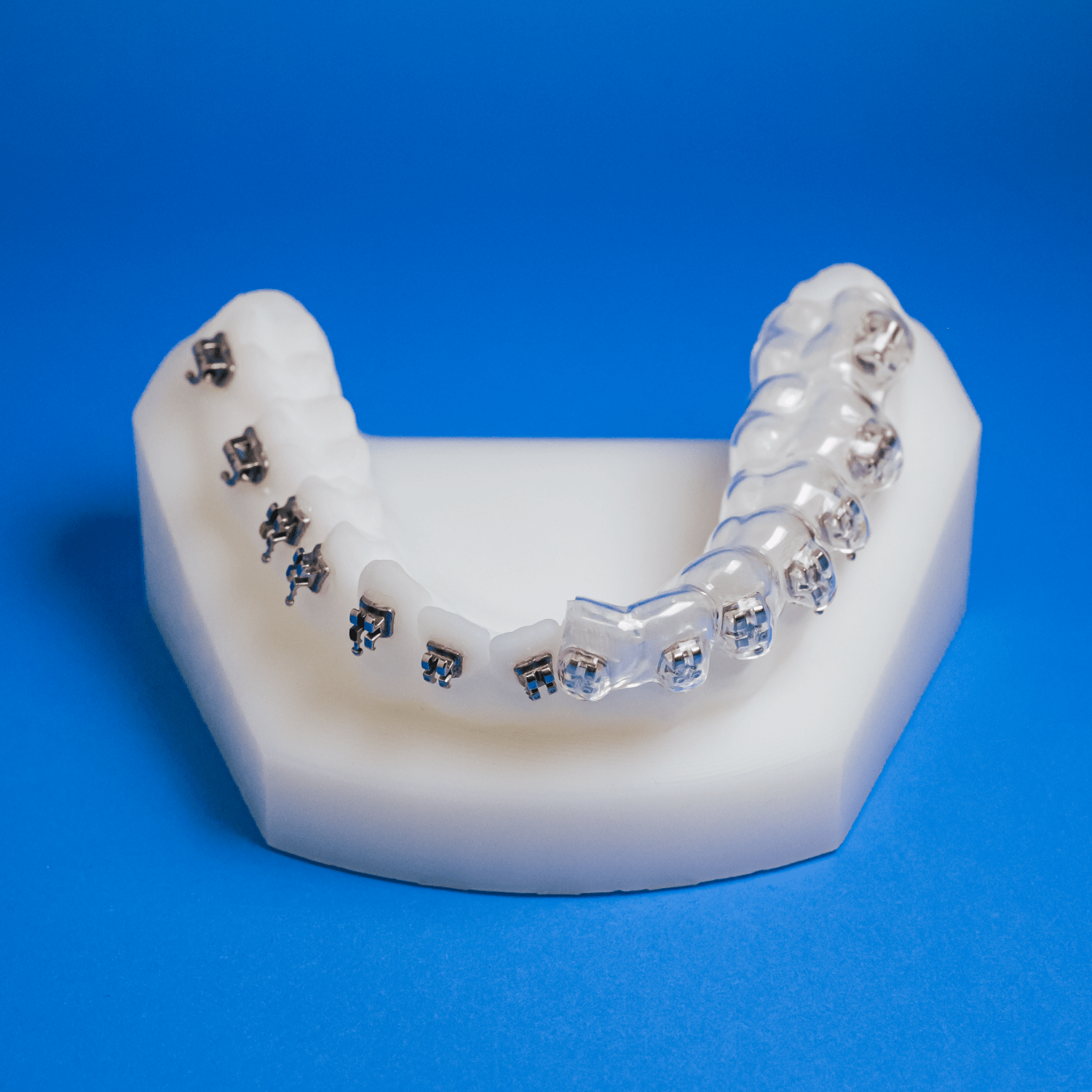
Aparelhos com Colagem Indireta e Autoligados
Utilizamos sistemas avançados de bráquetes autoligados e de colagem indireta para oferecer um tratamento preciso e personalizado para cada paciente.
O planejamento de tratamento moderno, combinado com tecnologias de bráquetes comprovadas, proporciona um tratamento eficiente e uma experiência mais confortável na cadeira.
Quando a colagem indireta é utilizada, os bráquetes são posicionados primeiro em um modelo e transferidos para os seus dentes em uma única moldeira. Essa precisão no posicionamento pode aumentar a eficiência e reduzir o tempo de tratamento em comparação com a colocação dos bráquetes um a um.
Os bráquetes autoligados prendem o arco com um clipe integrado em vez de elásticos. Menos atrito pode facilitar os ajustes, tornando as consultas mais rápidas e o progresso mais constante.
Aparelhos Tradicionais
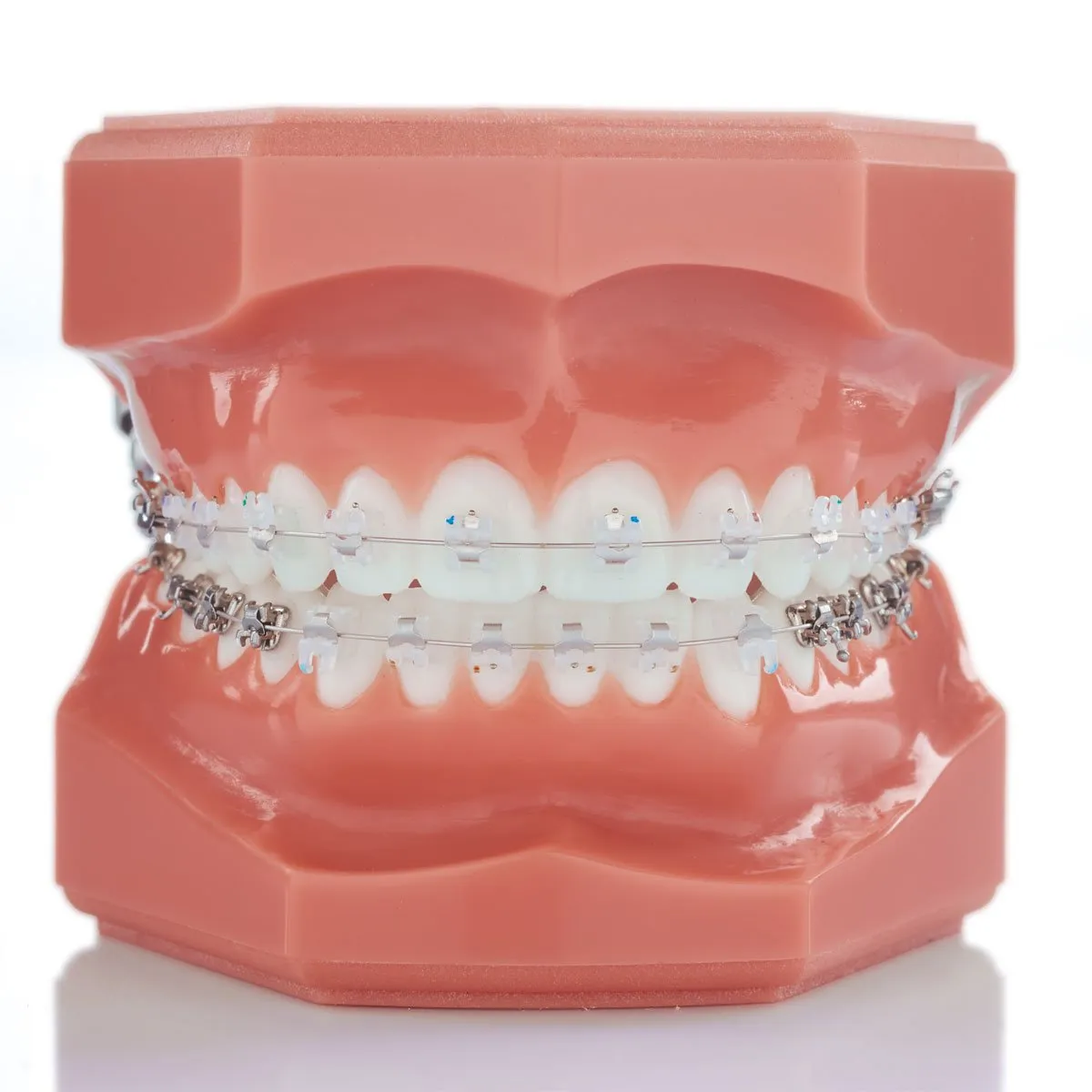
Os aparelhos metálicos tradicionais são o tipo mais comum e estão mais confortáveis do que nunca. Feitos de aço inoxidável de alta qualidade, eles têm sido o padrão da ortodontia por muitos anos.
Eles alinham os dentes usando bráquetes e arcos, e você tem a opção de adicionar elásticos coloridos para um sorriso mais alegre.
Nossos valores são publicados, em vez de fornecidos apenas sob consulta. Os aparelhos custam US$ 4.550 em todos os três consultórios, tanto para os metálicos quanto para os de cerâmica transparente.
O detalhamento completo e as opções de pagamento estão nas páginas de aparelhos em Clermont, aparelhos em Mount Dora e aparelhos em Windermere.

Aparelhos de Cerâmica e Transparentes
Os bráquetes de cerâmica são feitos de um material da cor do dente, por isso eles se misturam ao esmalte em vez de se destacarem.
Você mantém o controle sobre a movimentação dos dentes que os aparelhos oferecem, com um bráquete que a maioria das pessoas precisa olhar duas vezes para notar.
A cerâmica é uma escolha comum para adolescentes mais velhos e adultos com preocupações estéticas. Os braquetes são maiores e mais frágeis que os de metal, por isso exigem mais atenção na escovação e no uso do fio dental, sendo usados com mais frequência nos dentes anteriores superiores do que nos inferiores.
Contenções Fixas
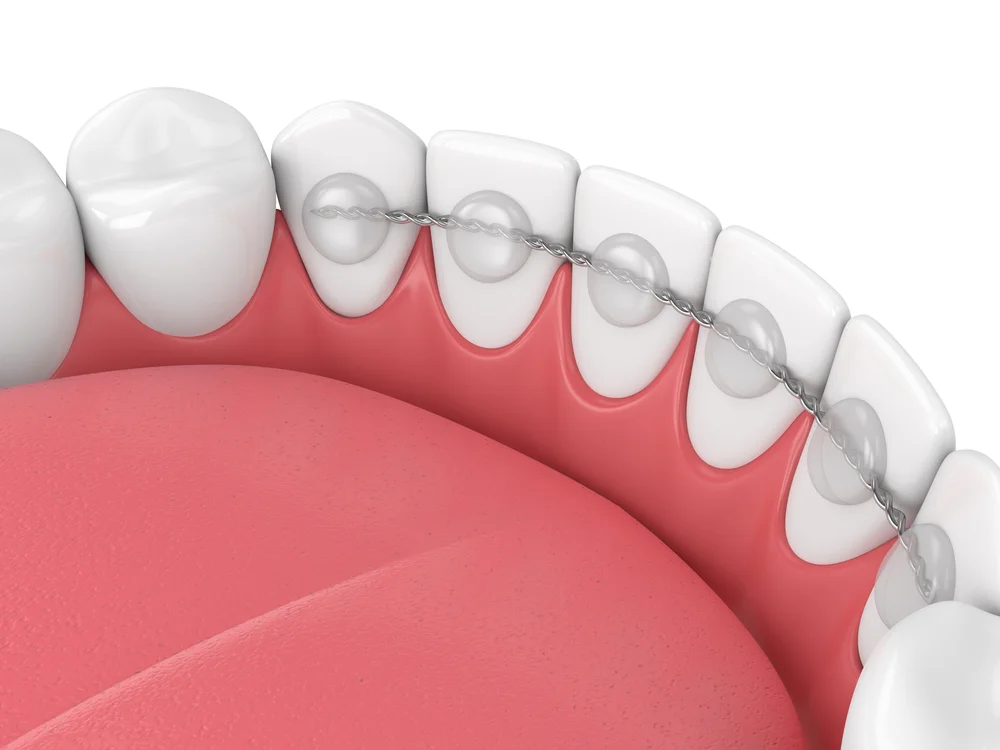
A contenção fixa é um fio fino, feito sob medida, colado na parte de trás dos dentes, mantendo seu sorriso como ficou após o tratamento.
Diferente de uma contenção removível, ela permanece no lugar 24 horas por dia. Não há nada para tirar, guardar ou lembrar de usar à noite.
Isso o torna uma ótima opção para pacientes que desejam resultados duradouros sem a manutenção diária, especialmente nos dentes anteriores inferiores, que são os mais propensos a se mover com o tempo.
Como o fio fica atrás dos dentes, ele não aparece quando você sorri, fala ou ri. Com uma escovação cuidadosa e o uso de fio dental ao redor do fio, ele pode proteger seus resultados por anos.
Verificamos a contenção nas consultas de rotina para garantir que ela permaneça segura e continue cumprindo sua função.
Invisalign e Alinhadores Transparentes
O Invisalign move seus dentes com uma série de alinhadores transparentes e removíveis, em vez de braquetes e fios.
O Dr. Ogden planeja o tratamento e supervisiona cada etapa, garantindo que os alinhadores trabalhem em direção a uma mordida que ele já mapeou.
Você os remove para comer e escovar os dentes, o que significa que não há restrições alimentares e a rotina de higiene é muito mais simples do que com aparelhos fixos.
O Invisalign Touch-Up custa US$ 2.495 e o Invisalign Comprehensive custa US$ 4.895, com o mesmo valor em todas as três unidades.
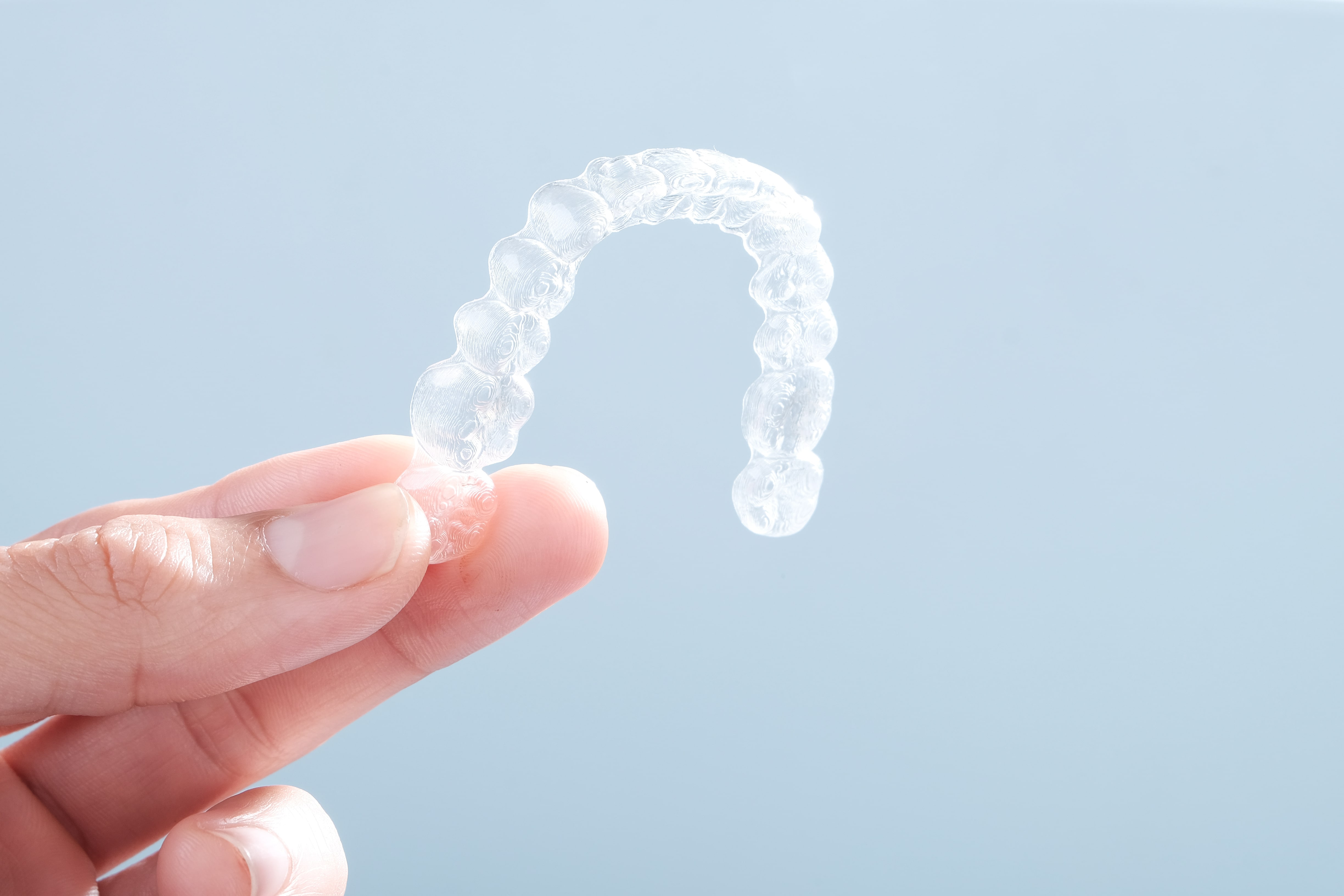
Contenções
Seu aparelho fixo foi removido e seus dentes estão alinhados, mas o trabalho ainda não terminou.
Os dentes se movem. O aparelho de contenção os mantém em suas novas posições enquanto a gengiva, o osso e os músculos ao redor se adaptam à mudança.
Usá-lo conforme as instruções é o que mantém o resultado que você levou meses ou anos para conquistar. Deixar de usá-lo é o motivo mais comum para os dentes voltarem à posição original.
Ajustamos sua contenção ao final do tratamento e a verificamos nas consultas de acompanhamento.
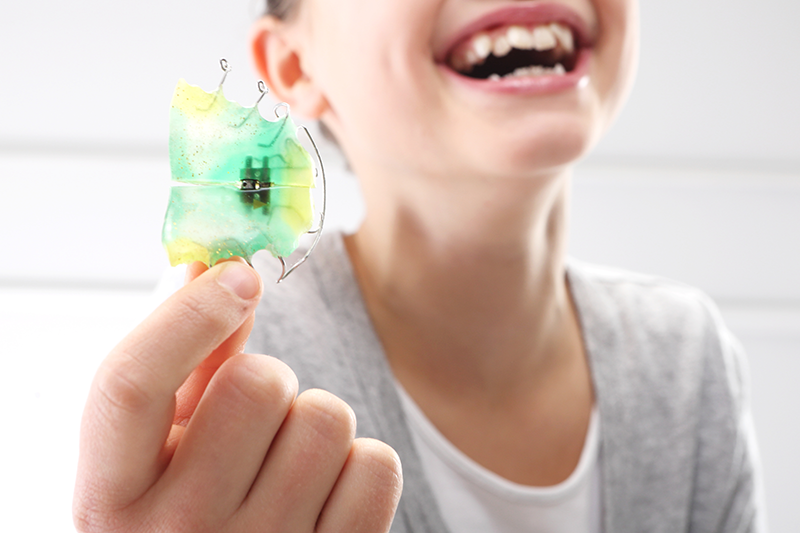
Fase I e Tratamento Precoce
A Associação Americana de Ortodontistas recomenda uma primeira visita ao ortodontista aos sete anos de idade. A maioria das crianças que comparece nessa idade ainda não precisa de tratamento, e ter essa resposta é muito valioso.
O tratamento precoce, ou Fase Um, geralmente começa por volta dos oito ou nove anos de idade, com a Fase Dois ocorrendo por volta dos onze anos ou mais.
O objetivo é orientar o crescimento dos maxilares, corrigir problemas de mordida, como a mordida cruzada, e criar espaço para que os dentes permanentes nasçam corretamente, o que pode reduzir a necessidade de extrações no futuro.
Apinhamento, espaçamento, problemas de crescimento maxilar, dentes protruídos e mordidas incorretas podem ser hereditários ou decorrentes de lesões na boca, perda precoce ou tardia de dentes de leite ou hábitos como chupar o dedo.
Tratar esses casos ainda na infância pode evitar tratamentos mais complexos na vida adulta.

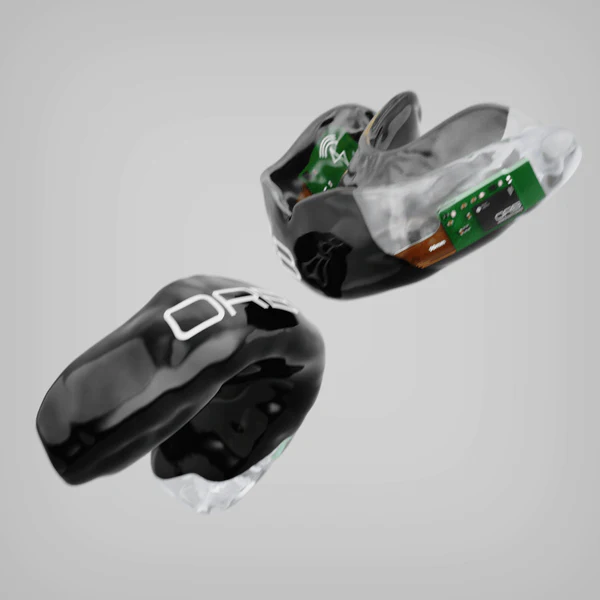
Protetores Bucais Esportivos ORB
Um protetor bucal feito sob medida que protege os dentes, aparelhos e maxilares, além de monitorar a frequência cardíaca, o movimento e os impactos durante a prática esportiva.
Os protetores bucais ORB são feitos a partir de escaneamentos digitais precisos, por isso encaixam com segurança e permanecem no lugar durante o jogo. Sem necessidade de ferver, sem ajustes e sem sensação de volume.
Os atletas conseguem respirar e falar normalmente com ele, o que é o principal motivo pelo qual os protetores comprados em lojas acabam esquecidos no banco em vez de serem usados.
Eles estão disponíveis em diversas cores e estilos, para todas as idades.
Expansores
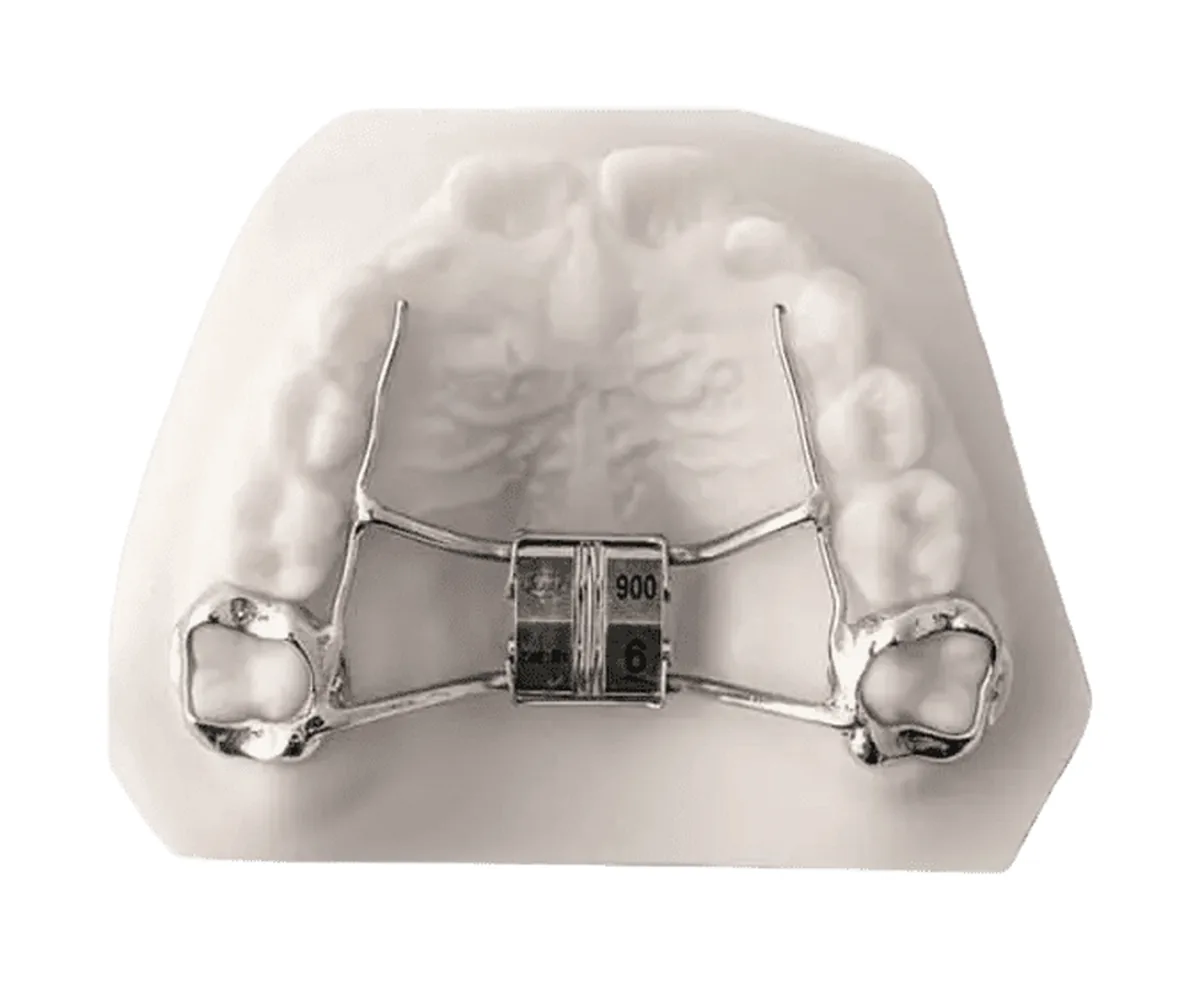
Um expansor palatino alarga o maxilar superior para criar espaço para os dentes e corrigir a mordida cruzada, sendo utilizado principalmente em pacientes em fase de crescimento.
Utilizamos o expansor ativado por mola Leaf da Leone, desenvolvido pelo Dr. Claudio Lanteri e pelo Sr. Filippo Francolini. Seu corpo pequeno e as duas molas de níquel-titânio Memoria liberam uma força contínua e calibrada para expandir a arcada superior, e a estrutura metálica é impressa em 3D para um ajuste preciso.
São necessárias duas consultas. Um escaneamento na primeira e a entrega na segunda. Não são necessários separadores.